

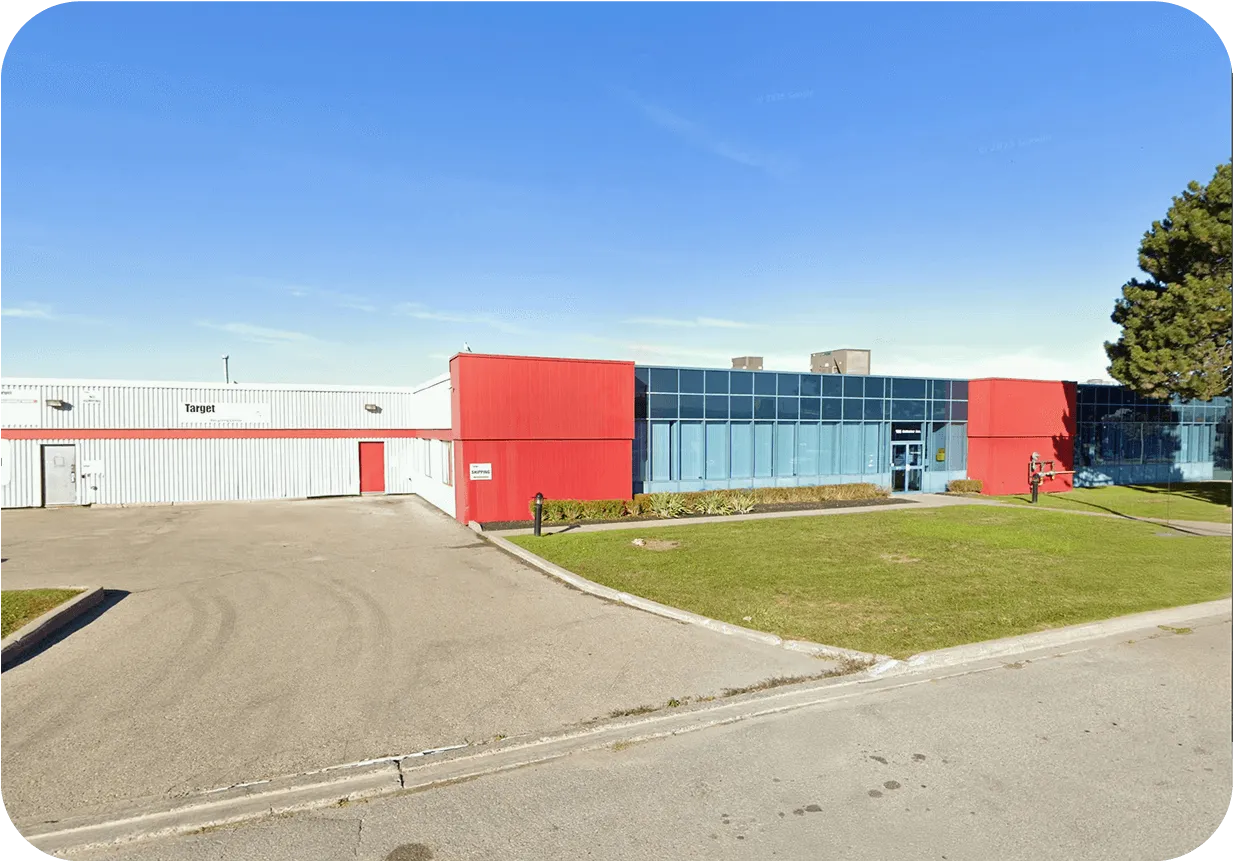
Target Recycling collects post-industrial PET from manufacturers across the GTA and Ontario: bottle and preform reject, thermoformed tray and clamshell offcuts, sheet skeleton and edge trim, strapping, and purge. Clean, sorted PET earns a rebate instead of a tipping fee. Material is processed at our Ajax facility, with pelletizing in Simcoe, under an ISO 14001 certified program, with documented weights and a documented destination on every load.

Bottlers & Preform Moulders
Food & Beverage Packagers
Thermoformers & Sheet Extruders
Yes. Post-industrial PET is one of the most recoverable plastics there is, because it leaves the plant clean, sorted by the process that made it, and in consistent grades. What cuts its value is mixing: coloured with clear, PVC in the load, and product residue or moisture. Kept apart at the line, PET scrap from a production floor recovers well, which is why manufacturers can reach 100% landfill diversion on plastics.
Every program starts with a free on-site visit and recycling audit, followed by a documented plan built around your facility, your materials and your compliance targets. From there the steps are the same at every plant: scheduled pickups in gaylords, super sacks, bales or loose on skids; processing at our Ajax, Ontario facility, where material is ground to specification; pelletizing at our Simcoe facility; and documentation with every load, including weights, diversion figures and destination. If you would rather keep ownership of the material and have it returned as regrind or pellets, our toll grinding and pelletizing service runs the same steps for a fee.
Post-industrial PET in the formats your lines already produce: bottle and preform reject, thermoformed tray and clamshell offcuts, sheet skeleton and edge trim, strapping, and purge. Baled, in gaylords, in super sacks, or loose on skids. Single plants and multi-plant networks run on the same program, with the same specs and the same reporting at every location.
| PET form | Where it comes from | Grading and handling |
|---|---|---|
| Bottle and preform reject | Preform moulding and bottling lines, off-spec runs | Clear grades above coloured; a second gaylord for clear keeps them apart. |
| Thermoformed tray and clamshell offcuts | Thermoforming lines | Keep PVC out entirely; a small amount of PVC downgrades a PET load. |
| Sheet skeleton and edge trim | Sheet extrusion and thermoforming | Single-resin above commingled; baled or in gaylords. |
| Strapping | Strapping and packaging lines | Clean and dry; moisture and product residue cut recovery value. |
| Purge | Startups and changeovers | Clean purge only, kept out of the coloured and mixed bins. |
Bottlers and preform moulders, food and beverage packagers, and thermoformers and sheet extruders generate the most PET scrap. The manufacturers we work with across Ontario run it through the same program as their other resins: HDPE, PP, LDPE and film, PS and PVC, with one point of contact and one audit trail across all of them.
Clean, sorted, single-colour PET recovers better than any stream we handle, and it earns a rebate rather than a tipping fee. For most of our clients the bigger number is the diversion rate: every load carries documented weights and a documented destination, so the tonnage you divert stands up in an ESG disclosure or a corporate landfill-free audit instead of being an estimate you have to caveat.
Three things move PET recovery more than anything else: separating colour from clear, keeping PVC out entirely, and controlling moisture and product residue. Changes at the line, a second gaylord for clear, a labelled bin for coloured, catching PVC before the baler, routinely lift a load a full grade. We walk the floor, document what we find, and roll the same standard out across your other locations so specs do not drift from plant to plant.
Multi-site manufacturers rarely have a recycling problem. They have a consistency problem: different vendors at different plants, different specs, different paperwork, and a corporate diversion number nobody can reconcile at year end. We run one PET program across your Ontario locations, with a single point of contact and consistent specs and reporting, so the number reaching head office is built the same way at every site. Adding a location is a scheduling change, not a new procurement cycle.
Every PET program runs under our ISO:14001-certified system, with documented weights, diversion reporting, and destination on every load. Your sustainability team gets numbers backed by paper for ESG and corporate disclosure. Your EHS team gets what it needs for O. Reg. 102/94 waste audits. Branded or recalled PET routes through certified secured destruction with a certificate of destruction on every job, and we are registered under the Government of Canada Controlled Goods Program.
We are used to being onboarded properly rather than informally. We operate under an ISO:14001-certified system, are registered under the Government of Canada Controlled Goods Program, and work to a signed service agreement, with the documentation behind our diversion reporting available to your compliance team. Tell us what your supplier qualification process requires, from insurance certificates to safety documentation, and we will work through it early rather than holding up your sourcing calendar.
Gaylords, super sacks, compactors, or bins, placed where your lines actually produce scrap, with scheduled pickups that match your production cadence. One vendor, one point of contact, one audit trail. Explore plastic recycling in Toronto, Mississauga, or Hamilton.
PET is one stream in our industrial plastic recycling solutions for Ontario manufacturers, run alongside HDPE, PP, LDPE and PS under one contract. If PET is only part of what leaves your plant, our industrial recycling program covers the rest of the site: waste audits, diversion planning and secured destruction alongside the plastic rebates.
Tell us what you have and roughly how much, and we reply within 48 hours.
Why Choose Target Recycling?
PET is one of the most recoverable plastics in the world and one of the easiest to grade down. Colour contamination, mixed resin, and residual product cut recovery value and muddy the diversion numbers you report upward. We have run post-industrial programs for 27 years for operations including Nestlé Canada, Ford, and Apotex, and we can tell you before the first pickup what your PET grades at, site by site.
Rebates that turn plastic scrap into revenue, trusted by 500+ Canadian businesses.
ISO:14001 certified for compliance and environmental responsibility.
Certificates of destruction and O. Reg. 102/94 audit support for full compliance.








Yes, and it is how our larger clients run. One program, one point of contact, and consistent specs and reporting across every Ontario location, so your corporate diversion number is built the same way at each site. Adding a plant is a scheduling change rather than a new sourcing exercise.
Bottles and preforms, thermoformed trays and clamshells, sheet skeleton and edge trim, strapping, and purge. We take it baled, in gaylords, in super sacks, or loose on skids, in whatever format your lines already produce.
Documented weights, diversion figures, and destination on every load, with consistent reporting across your sites. It is built to support ESG and corporate sustainability disclosure and an O. Reg. 102/94 waste audit without reconstruction work at year end.
Our ISO:14001 certification, Controlled Goods Program registration, a signed service agreement, and the documentation behind our diversion reporting. Send over your vendor qualification checklist early, insurance certificates and safety documentation included, and we will work through it without holding up your sourcing calendar.
Yes. Clean, sorted PET earns a rebate rather than a tipping fee. Clear grades above coloured and single-resin above commingled. We quote on your actual material after an on-site assessment rather than off a generic price list, and we pay on documented weights.
Yes, and post-industrial PET is among the most recoverable plastics, because it arrives clean, already sorted by the process that made it, and in consistent grades. Its value drops when coloured PET is mixed with clear, when PVC gets into the load, or when product residue comes with it. Scrap kept apart at the line does not have that problem.
Minimum load is 8,000 lbs. Below that, trucking fees apply.
Yes. Toll grinding means we grind your material to your specification for a fee and return it, so you keep ownership throughout and avoid buying grinding equipment. PET is ground at our Ajax facility and pelletized in Simcoe, and the material comes back as regrind or pellets with clear documentation.
To our processing facility in Ajax, Ontario, with pelletizing at our Simcoe facility. Every load carries documented weights and a documented destination, so the tonnage stands up in an ESG disclosure, a corporate landfill-free audit or an O. Reg. 102/94 waste audit.

Head Office:
109 McMaster Avenue, Ajax, Ontario
L1S 2E6
Processing Facility:
106 McMaster Avenue, Ajax, Ontario
L1S 2E7
Pelletizing Facility:
147 First Avenue West, Simcoe, Ontario
N3Y 2P6

© 1998-2026 Target Recycling Services. All rights reserved.